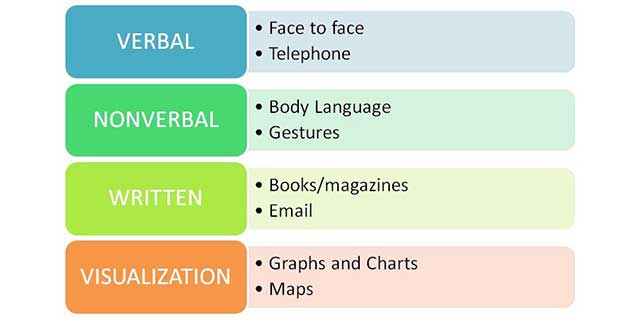
How better Communication can help you to be more effective with your students/colleagues/seniors.
In 30 secs talk about yourself and issues that you face with your students.
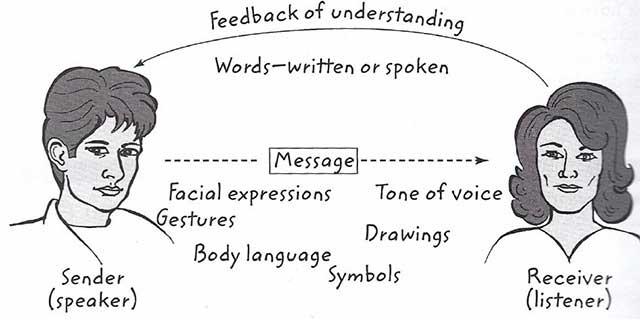
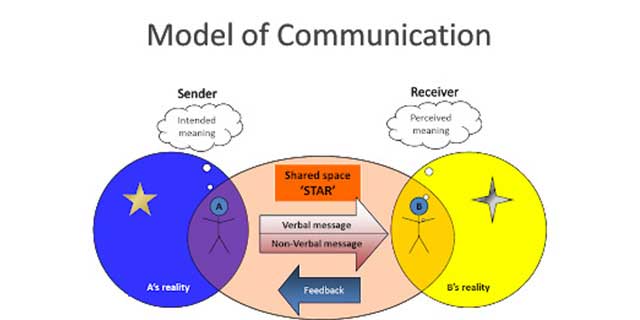
Skills that are required to transfer information, ideas, opinions, thoughts, feelings, emotions from one place to another OR from one person to another.
Secure an interview, get a job, do a job well, advance your career or have a happy family and friendship bonds.
06 people talk when 02 people are conversing.

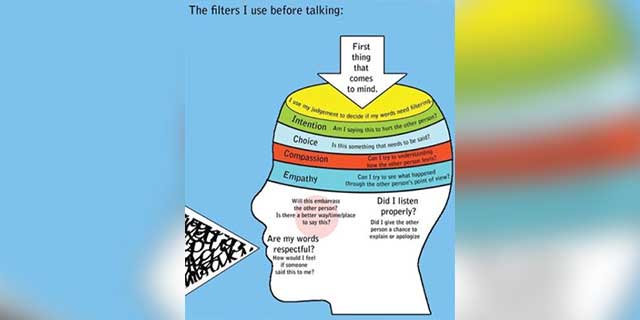
| Personality Type | Strength | Weakness |
|---|---|---|
| Analytical (Get It Right) |
Thinking | Excludes feelings from decisions |
| Thorough | Goes too far; perfectionist | |
| Disciplined | Too rigid or demanding of self/others | |
| Independent | Has trouble operating with others | |
| Driver (Get It Done) |
Decisive | Does not take time to consider other perspectives |
| Determined | Domineering; too focused on doing it "my way" | |
| Supportive | Tends to conform to wishes of others | |
| Amiable (Get along) |
Patient | No time boundaries; things do not get done |
| Diplomatic | Not assertive or directive | |
| Good communicator | Talks too much | |
| Expressive (Get appreciated) |
Enthusiastic | Comes on too strong |
| Imaginative | Dreamer; unrealistic |
| Positive Traits | |||
|---|---|---|---|
| Action-Oriented | Adventurous | Analytical | Artistic |
| Athletic | Authentic | Caring | Clever |
| Compassionate | Charming | Communicative | Confident |
| Courageous | Creative | Curious | Determined |
| Disciplined | Educated | Empathetic | Emotional Intelligent |
| Energetic | Entertaining | Fast | Flexible |
| Focused | Good-Looking | Helping | Inspiring |
| Intelligent | Leadership | Learning | Motivated |
| Optimistic | Open-Minded | Organized | Outgoing |
| Patient | Precise | Responsible | Self-Controlled |
| Speaking | Spontaneous | Social / People Skills | Strategic Thinking |
| Team-Oriented | Thoughtful | Trustworthy | Visionary |
| Warm | Willpower | Wisdom | |
| Negative Traits | |||
|---|---|---|---|
| Aggressive | Arrogant | Bossy | Chaotic |
| Close-minded | Complaining | Contemptuous | Controlling |
| Cynical | Fearful | Greedy | Hesitant |
| Ignorant | Impatient | Impulsive | Indifferent |
| Insensitive | Intolerant | Irresponsible | Lazy |
| Lethargic | Loose-tongued | Mistrustful | Moody |
| Naive | Negative | Obstructive | Passive |
| Prejudiced | Reckless | Rude | Selfish |
| Shallow | Short-sighted | Shy | Sloppy |
| Stubborn | Slow | Strict | Undisciplined |
| Vague | Wasteful | ||